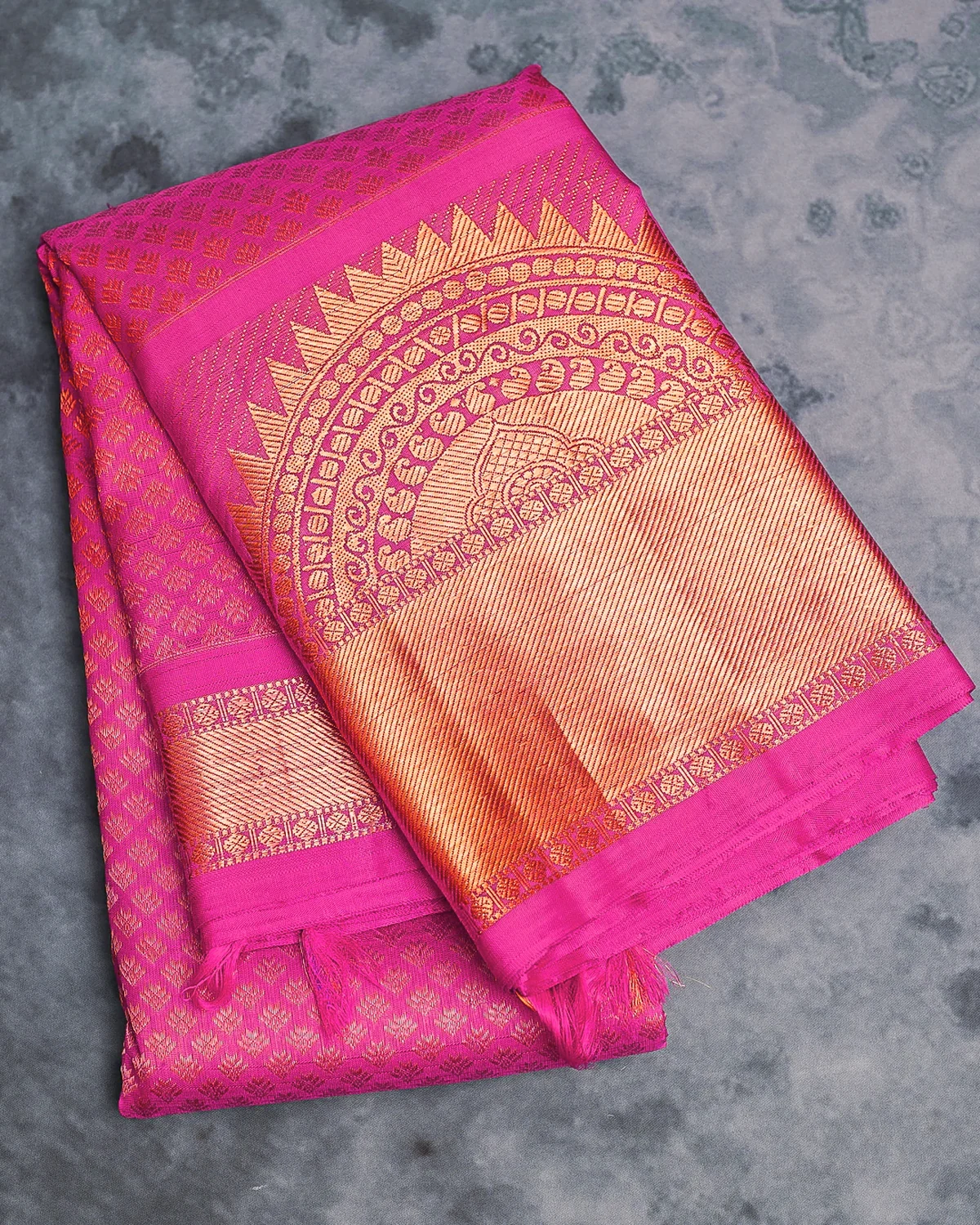
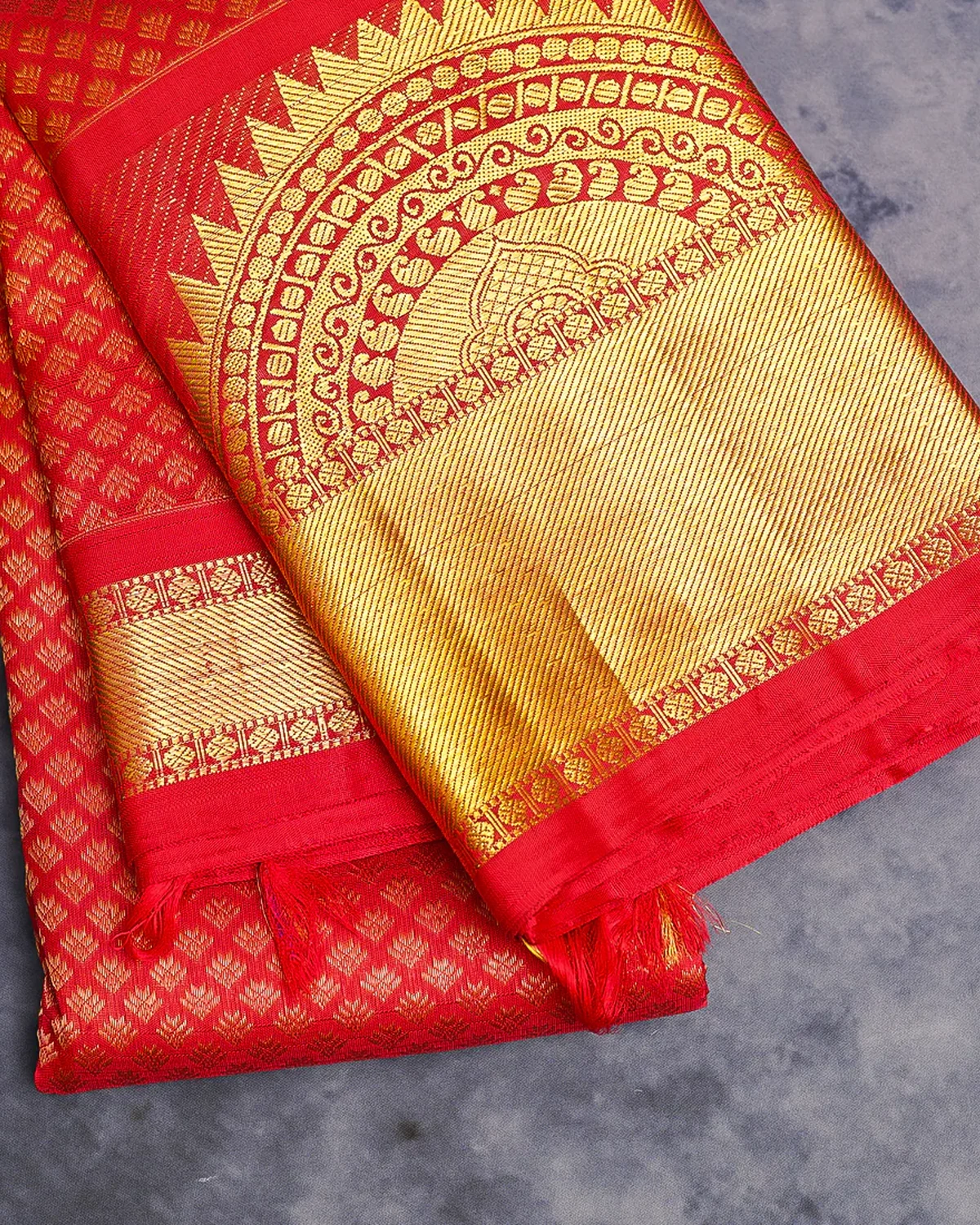
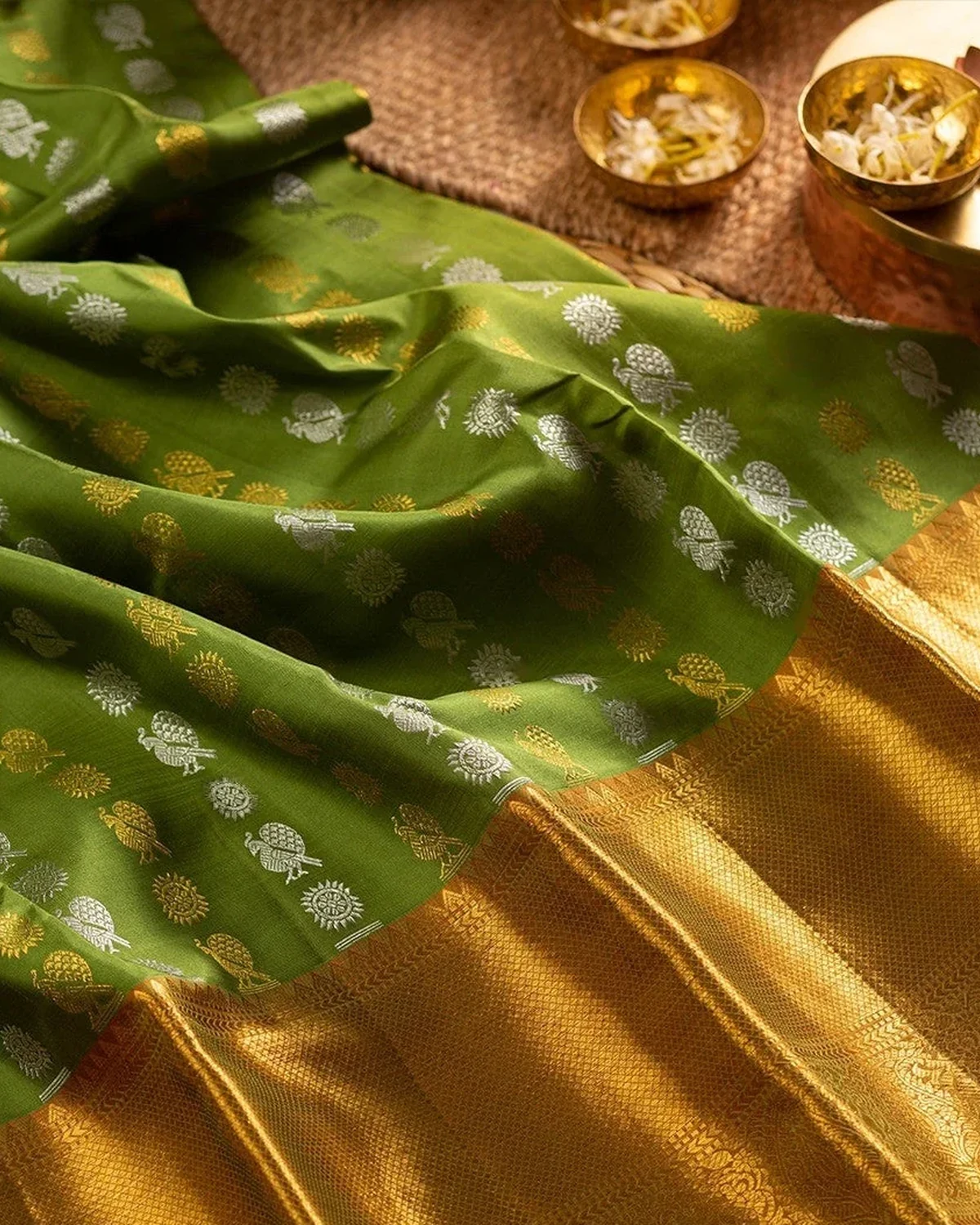
Traditional Focus
Our core catalogue prioritises Kanchipuram, Banarasi, pure silk, jari, butta, Tana, wedding, bridal and festival sarees rather than positioning chiffon as the main identity.
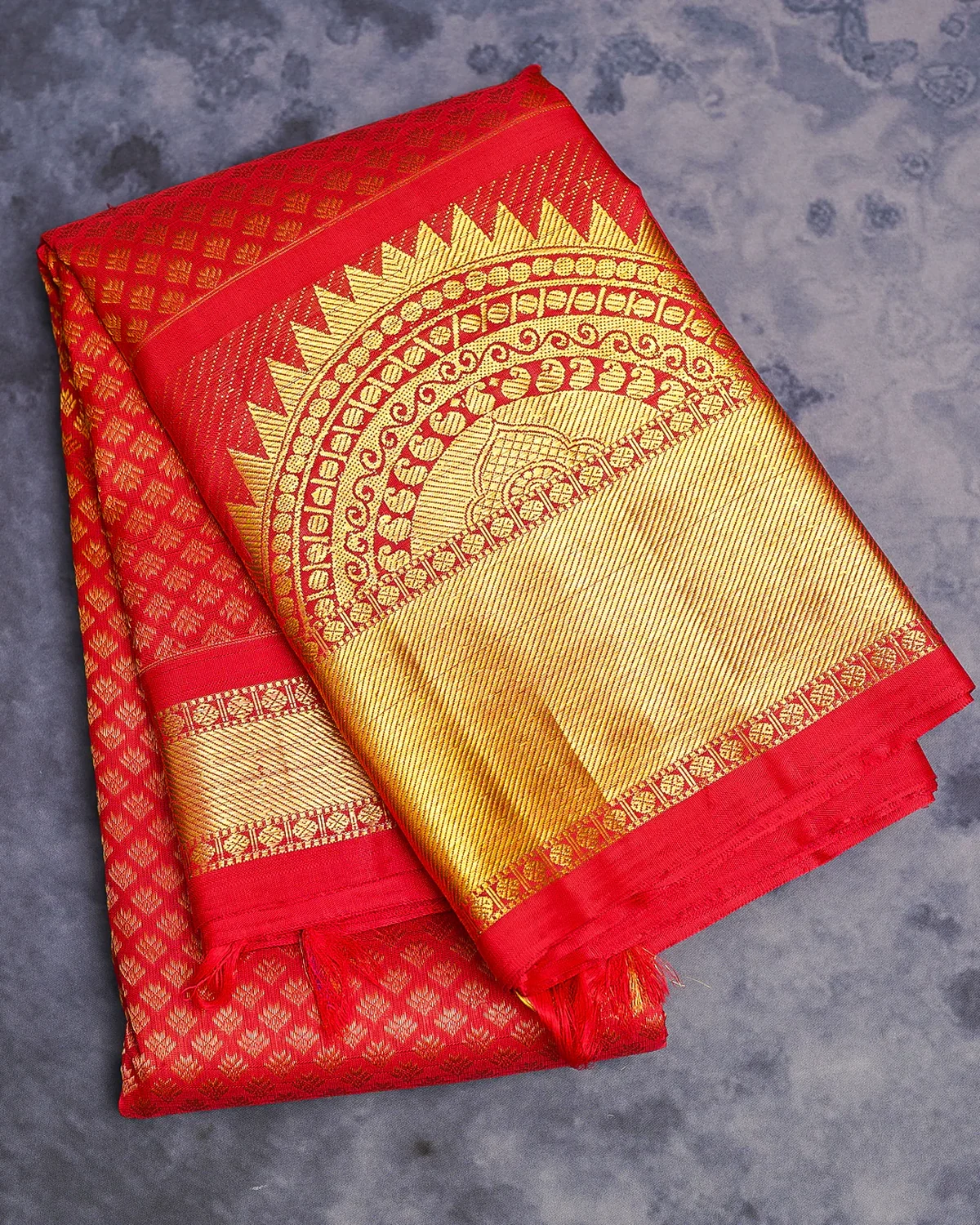
JRP Sarees · House of Indian Elegance
Discover Kanchipuram, Banarasi, pure silk, jari, butta, Tana, wedding, bridal and festival sarees presented with thoughtful product information and timeless styling guidance.
Premium Saree Collections
JRP Sarees is centred on the sarees customers most often seek for weddings, festivals, ceremonial gifting and lasting wardrobes. Explore each collection for fabric, weave, border, pallu, styling and care guidance.
Why Choose Us
Beautiful photography matters, but confidence comes from clear information. We describe what buyers need to compare and avoid using unsupported luxury language as a substitute for product detail.
Our core catalogue prioritises Kanchipuram, Banarasi, pure silk, jari, butta, Tana, wedding, bridal and festival sarees rather than positioning chiffon as the main identity.
Listings explain declared fabric, weave, border, pallu, design, occasion, styling and care. When a composition or certification requires confirmation, the page says so directly.
We encourage documentation, fibre disclosure and product-specific questions. Shine alone does not prove silk, and regional or handloom claims should not be assumed without evidence.
Guides help brides, families and guests consider ceremony, weight, comfort, lighting, jewellery, blouse planning, trial drapes and long-term preservation.
Silk and jari need considered handling. Our care information covers airing, professional cleaning, breathable storage, refolding and protection from moisture and friction.
The website is a digital showroom. Product availability, exact specification, shipping, preparation and applicable return terms are confirmed before an order.
Kanchipuram Sarees
Kanchipuram sarees are known for the visual strength created by silk body, border and pallu working together. Deep reds, maroons, greens, purples and golds may be paired with contrast borders, temple lines, checks, peacock forms or geometric motifs. Their structured character makes them especially suitable for bridal ceremonies, temple functions, festivals and heirloom gifting.
Choosing well involves more than selecting a colour. Consider border width, motif scale, weight, drape, blouse relationship and the duration of the event. A broad border can create a regal frame, while a medium border may offer greater versatility. Product-specific fibre and authenticity information should always be reviewed.
Explore Kanchipuram sarees →Banarasi Sarees
Banarasi sarees bring together buttas, floral jaal, decorative borders and richly woven pallus in a design language that rewards close viewing. Some pieces are dense and bridal; others use open butta placement for easier festive and formal wear. Motif scale, spacing and the relationship between body and pallu affect the final drape as much as colour does.
Because Banarasi is a broad category, buyers should confirm fibre composition, weave, jari description, weight and production information for the exact saree. JRP pages avoid treating a regional name as automatic proof of material or method.
Explore Banarasi sarees →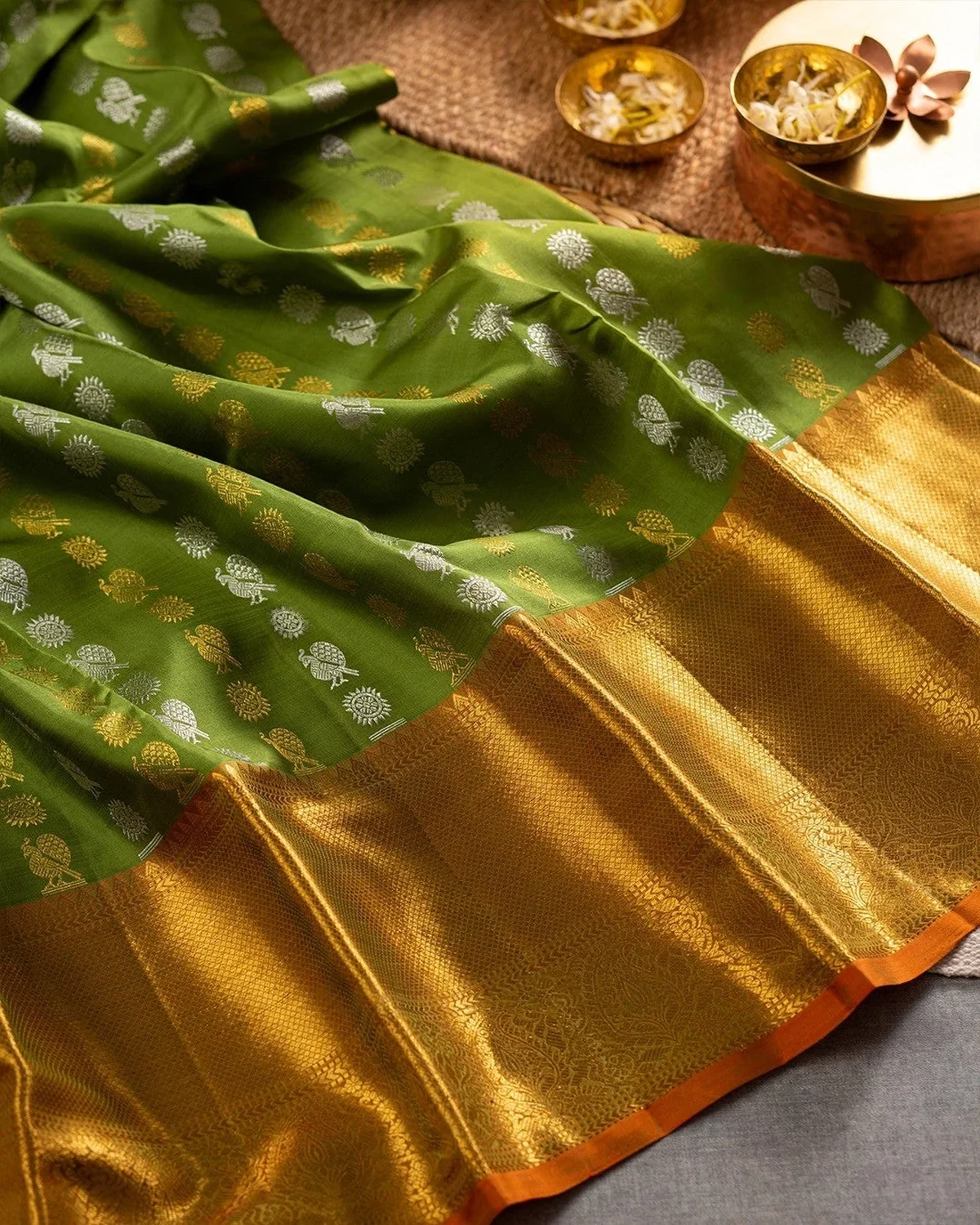
Pure Silk, Jari, Butta and Tana
These collection terms describe different aspects of a saree. Pure silk concerns fibre composition. Jari describes metallic-looking woven or decorative yarn. Butta refers to repeated individual motifs. Tana refers to the warp—the lengthwise threads forming the foundation of woven fabric—and is used here as a collection concept for structured, warp-led drapes.
Natural lustre, responsive drape and careful storage needs. Review declared composition and available documentation.
Metallic accents across borders, pallus or motifs. Composition and placement vary by product.
Repeated motifs create rhythm and versatile traditional detail across the saree body.
Warp-led structure and colour interplay, always explained alongside the actual fibre and weave.
Wedding, Bridal & Festival Sarees
An occasion saree should photograph beautifully, respect tradition and remain comfortable through real movement. Our occasion pages bring together the most relevant weaves while helping buyers compare weight, colour, border, pallu, blouse planning and care.
For brides, families and guests across ceremonies, receptions and formal gatherings.
◇Statement silk sarees planned around the bride, jewellery, blouse and ritual.
✺Celebratory colours and manageable traditional drapes for puja and family events.
▱Plan functions, comfort, lighting, accessories, trials and preservation.
Featured Sarees
Each product page covers the fabric, weave, border, pallu, design, occasion, styling and care before inviting an enquiry.
Heritage EditKanchipuram Sarees
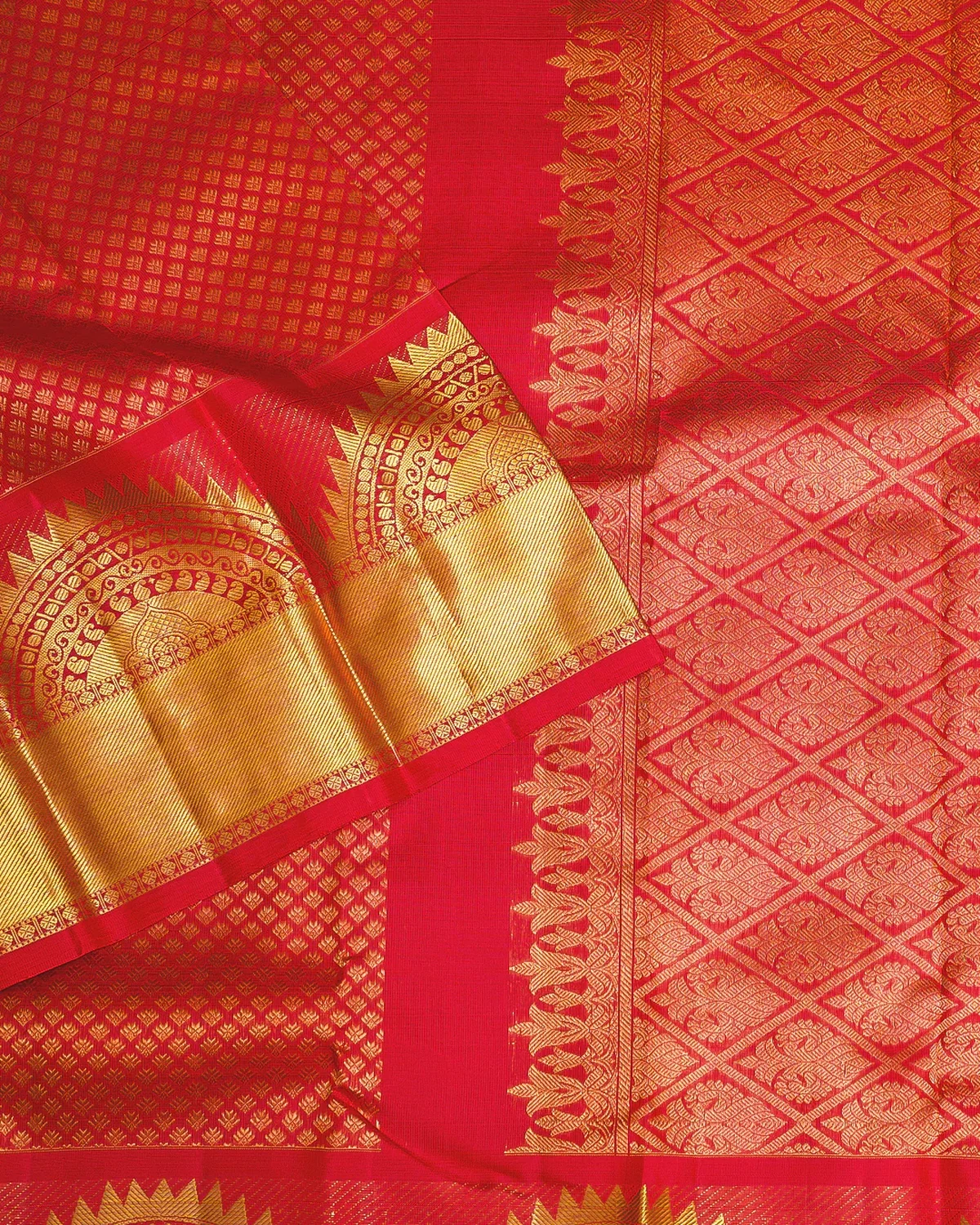
Butta CollectionBanarasi Sarees
 Wedding Edit
Jari Sarees
 Contemporary Tradition
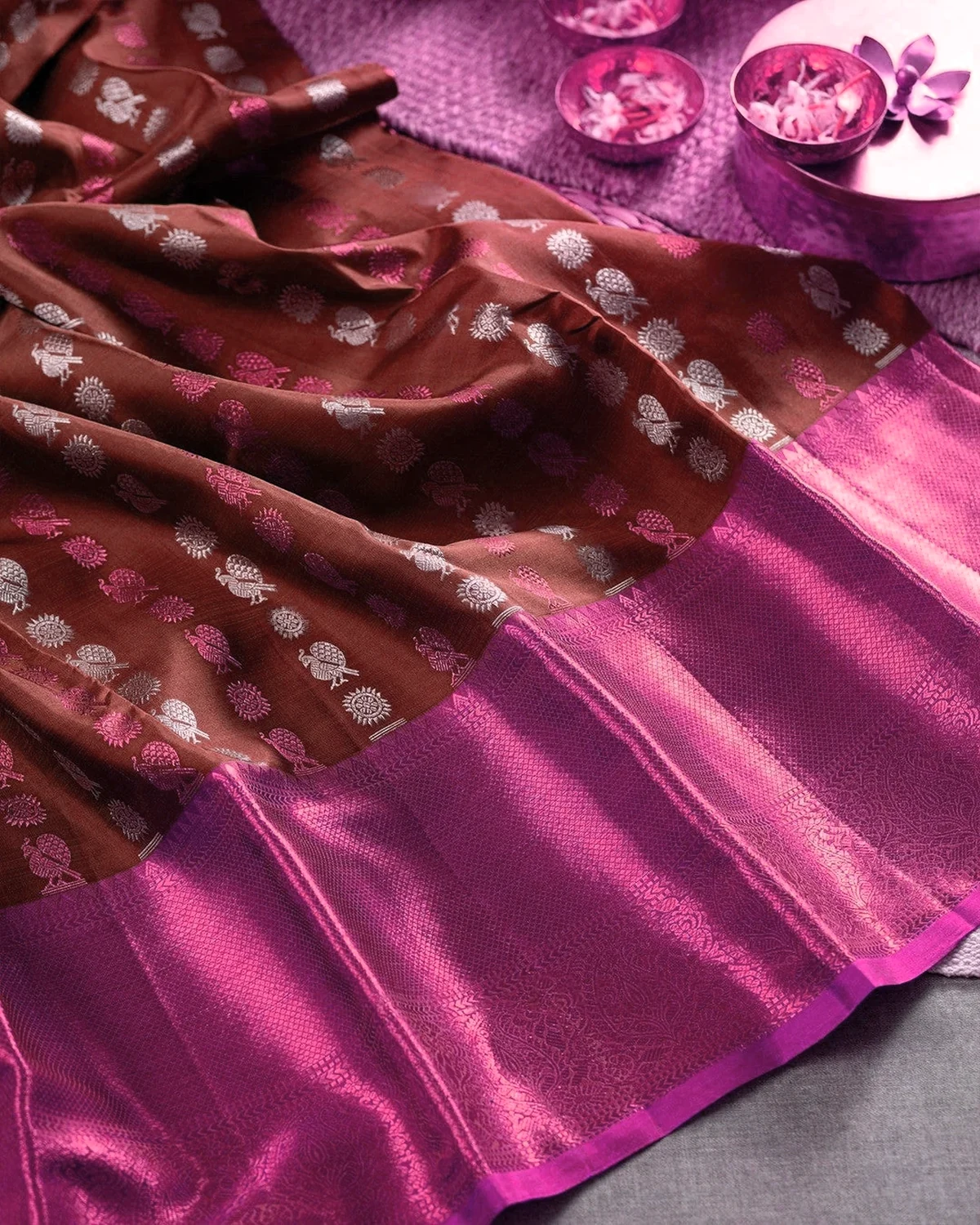
Tana Sarees
Buying Guide
A premium saree decision becomes easier when the product is compared on facts rather than a single photograph or label.
Ask whether the body is pure silk, silk-cotton, silk blend or another fibre. Confirm whether the blouse piece, border and pallu use the same composition. Regional or collection names do not replace the need for an exact material description.
A structured saree can hold ceremonial pleats beautifully, but a lighter construction may be more comfortable for travel, hosting or a long reception. Think about sitting, walking and climate—not only the first photograph.
Broad borders create stronger framing; smaller buttas often feel versatile; dense jaal creates richer surface detail. The pallu should suit whether you plan to wear it open, pleated or pinned.
For silk or origin-sensitive purchases, ask for the documentation available for that item. Review cleaning and storage needs before buying, especially when the saree contains jari or delicate woven details.
Read how to identify genuine silk → Compare Banarasi and Kanchipuram →
 Care with intentionPreserve every drape
Saree Care
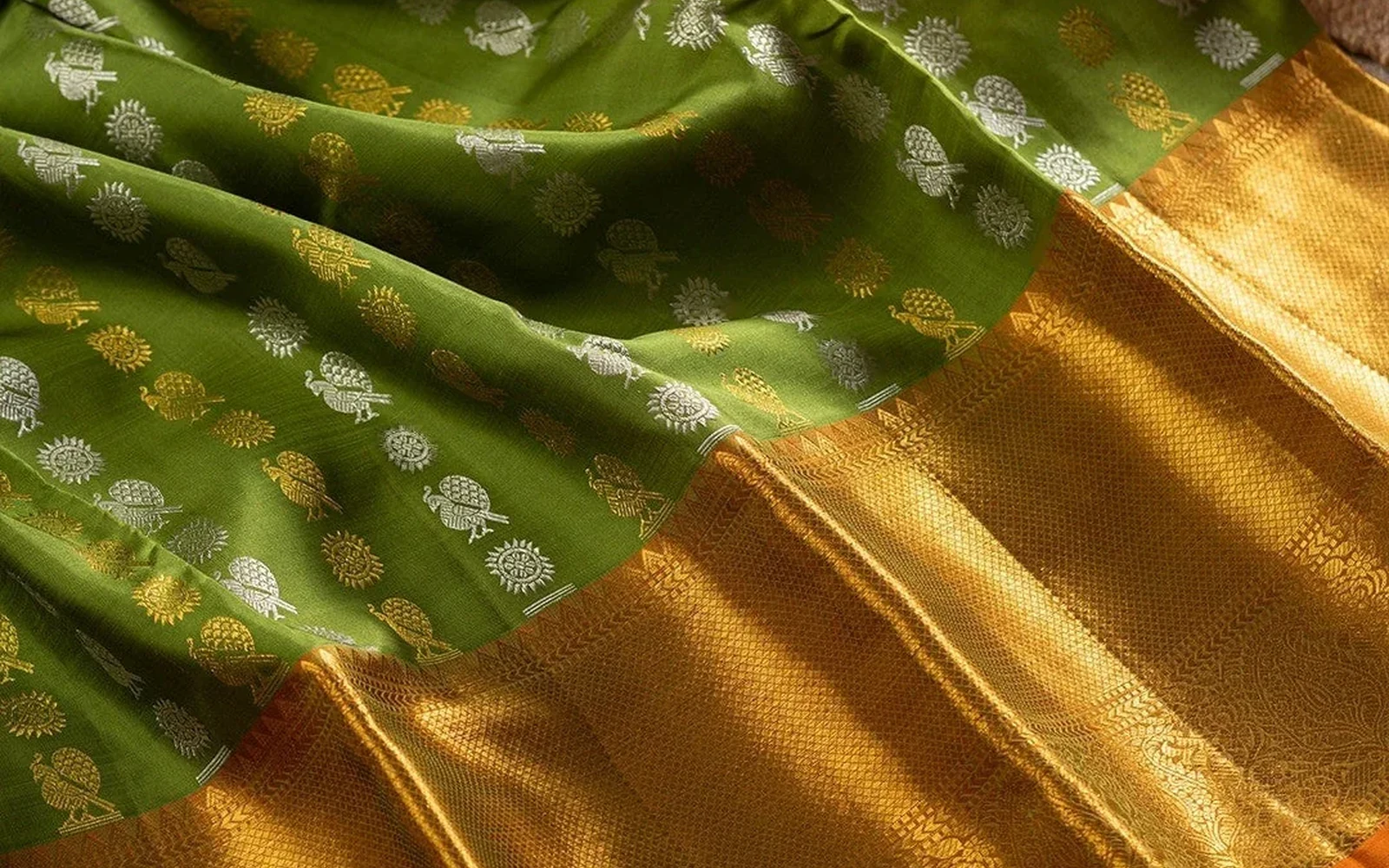
Air a saree in shade after wearing and never store it while damp. Remove pins carefully, protect it from perfume and rough jewellery, and follow the exact cleaning guidance supplied with the product.
For long-term storage, use breathable cotton or muslin rather than sealed plastic. Refold the saree periodically so heavy borders and pallus do not remain on the same crease. Place soft tissue or cotton between dense jari areas and avoid prolonged hanging.
Care can vary by fibre, dye and embellishment, so general guidance should never override product-specific instructions.
Read the complete silk saree care guide →Customer Trust
JRP Sarees is part of JRP Industries and is building a catalogue around transparent information, responsible terminology and dependable customer communication.
Our focus, approach and relationship with JRP Industries.
How we approach silk, regional weave and jari claims.
Order-specific serviceability, dispatch and delivery guidance.
Why eligibility and product condition must be confirmed before payment.
Questions to ask before purchase and information to provide after ordering.
How enquiry and technical information may be handled.
A useful saree page should answer practical questions before asking a customer to enquire. Our product structure identifies the declared fabric, weave character, border, pallu, design, suitable occasions, styling suggestions and care instructions. It also explains when exact fibre composition, certification, availability, colour, price, blouse details or shipping must be confirmed for the individual item. This approach helps buyers compare a Kanchipuram saree with a Banarasi saree, distinguish pure silk from a general silk-look description, and understand whether jari, butta or Tana refers to material, motif or weave structure. Clear information supports better decisions and reduces avoidable misunderstandings.
Frequently Asked Questions
Our primary focus is Kanchipuram, Banarasi, pure silk, jari, butta, Tana, wedding, bridal and festival sarees.
Review the fibre disclosure and ask for product-specific labels, invoice wording or Silk Mark documentation where available. Do not rely on shine or damaging home tests.
Yes. Share the ceremony, date, preferred colours, comfort needs and delivery destination so the most relevant collection pages and products can be discussed.
Air after wear, clean according to the product instructions, wrap in breathable cotton or muslin, keep dry and refold periodically.
The current website is an enquiry-led digital showroom. Availability, final specification, shipping and applicable terms are confirmed before an order.
No. The website is centred on traditional silk and occasion sarees. Chiffon is not promoted as a core category unless a genuine catalogue item is added later.